

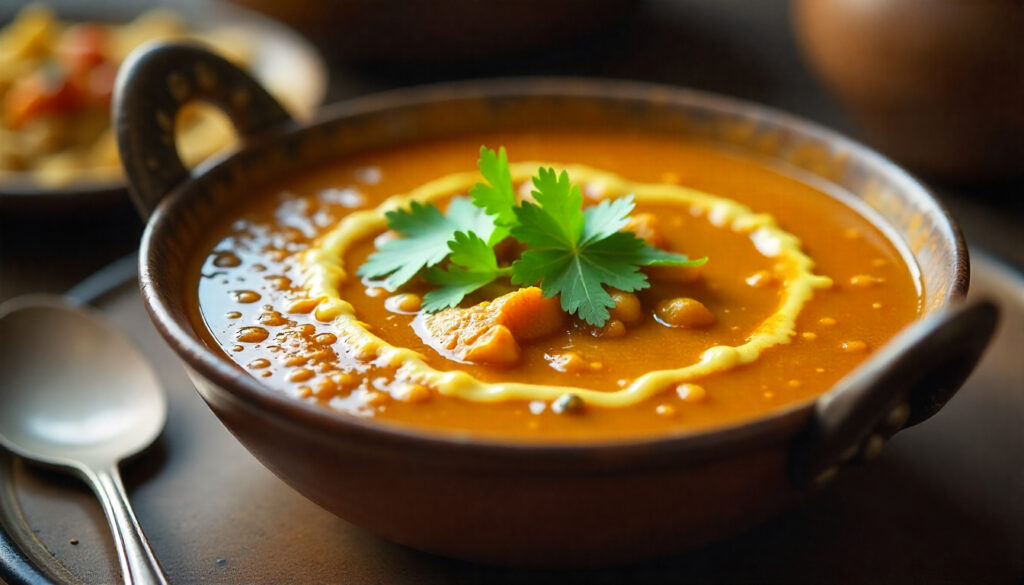
Somewhere between trending diets, supplements, protein powders, and complicated recipes, we forgot one simple truth: some of the most nourishing foods are the ones our grandparents ate every day. And dal is one of them.
Dal isn’t just comfort food — it’s a complete nutritional package. It provides protein, fiber, minerals, energy, and supports digestion, all while being easy on the stomach and incredibly versatile. The beauty of dal is that it offers nourishment without being heavy, complicated, or expensive. It’s everyday food that quietly supports long-term health.
Sometimes, the healthiest food is already in your kitchen — not in a trend.
A Natural Source of Plant Protein
Protein is essential for muscle repair, immunity, hormone balance, and sustained energy. For many homes, especially vegetarian ones, dal becomes the primary source of daily protein.
Different dals offer different benefits:
-
Moong dal — light and easy to digest
-
Masoor dal — great for beginners and quick cooking
-
Toor dal — nourishing and comforting
-
Chana dal — rich and filling
-
Urad dal — supports strength and gut health
And when paired with rice or roti, dal becomes a complete protein, just like eggs or chicken.
Rich in Fiber for Digestion and Satiety
Grandmothers rarely worried about calories — they focused on balance. Dal naturally contains soluble and insoluble fiber, which keeps digestion smooth, supports gut bacteria, and helps keep you full longer.
Fiber also helps:
-
Regulate blood sugar
-
Reduce cholesterol
-
Improve bowel regularity
-
Support weight management
No fancy detox drink required — dal does the work quietly.
Packed With Micronutrients
Dal provides essential nutrients like iron, zinc, potassium, folate, and magnesium — all important for immune function, energy levels, and hormone health.
These nutrients are often missing in modern packaged or fast food diets but were naturally present in the meals our grandparents ate every day.
Food doesn’t have to be complicated to be nutritious.
Light on the Stomach and Easy to Digest
Many traditional dishes evolved through wisdom, not trends. Dal is gentle on digestion, especially when cooked with Indian spices like jeera, hing, haldi, ginger, and garlic.
These ingredients help:
-
Reduce gas and bloating
-
Improve nutrient absorption
-
Warm and support digestion
-
Balance metabolism
This is why dal is often given to children, elderly individuals, or anyone recovering from illness. It nourishes without burdening the digestive system.
Supports Hormonal and Metabolic Health
For individuals managing PCOS, thyroid conditions, or diabetes, dal can be incredibly supportive. Its protein and fiber help stabilize blood sugar and prevent energy dips and cravings.
Pairing dal with vegetables, ghee, and whole grains makes the meal balanced, slow-digesting, and metabolism-friendly.
Affordable, Simple, and Sustainable
Dal proves that good nutrition doesn’t need to be expensive. It’s accessible, pantry-stable, and easy to prepare in endless variations — from dal tadka to khichdi, sambhar to dal soup.
And the best part?
You can adjust it to your lifestyle:
-
Less oil
-
More vegetables
-
Different spices
-
Various grains
The recipe evolves, but the value remains the same.
Final Thoughts
Your grandmother wasn’t following a diet — she was following wisdom passed down through generations. Dal is more than just food; it’s nourishment for the body, comfort for the mind, and a reminder that simple meals can be deeply healing.
Before you search outside for the perfect nutrition plan, check your plate — the solution may already be there.